Showing posts with label Vegetables Recipes. Show all posts

Sunday, May 19, 2013

Ingen no Gomaae

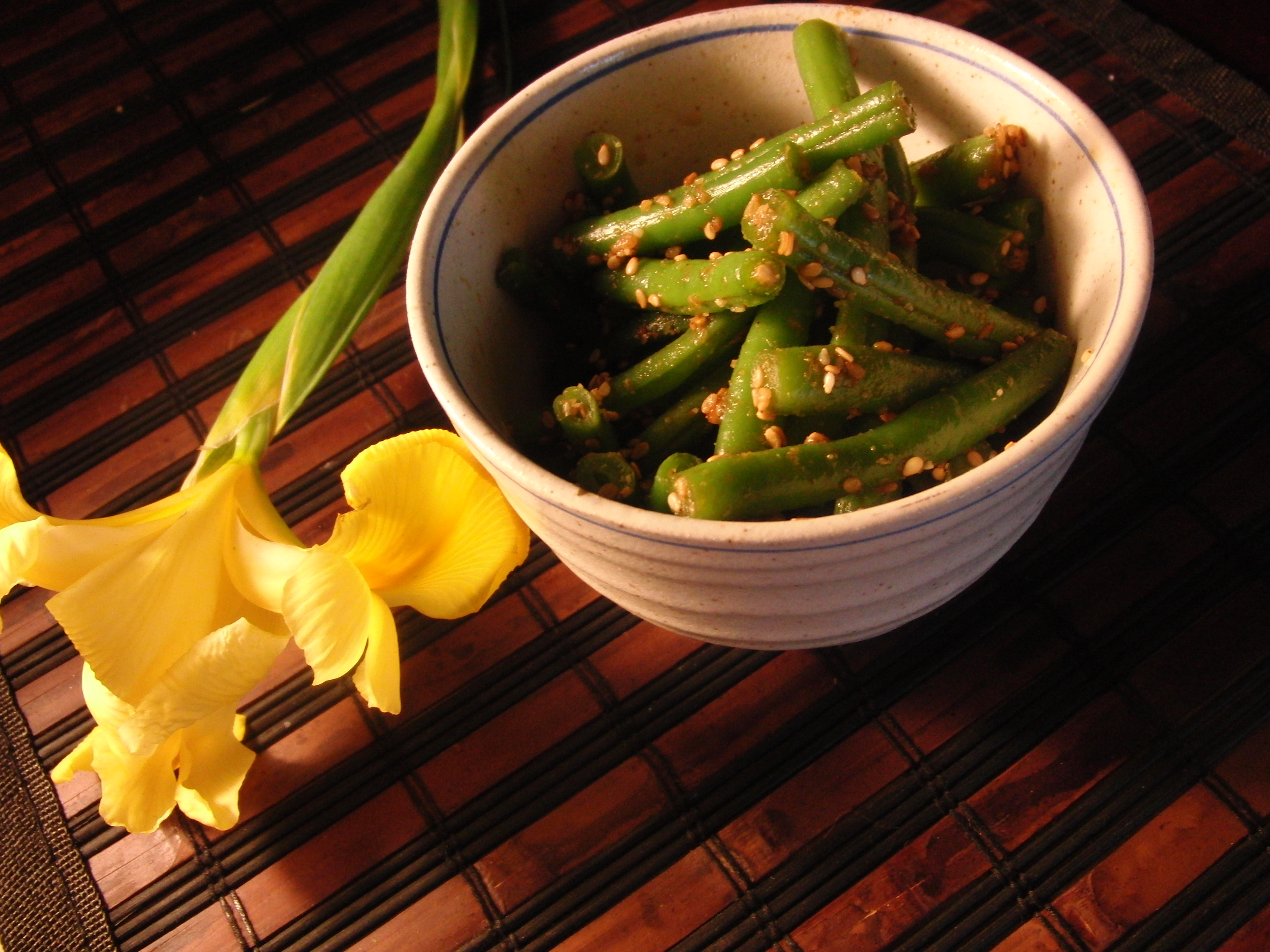
Japanese: Green beans and sesame salad. This recipe is similar to the spinach sesame salad I posted yesterday, and is a fine alternative to spinach, if that’s not your thing. I love the texture of green beans: so crunchy and fun to eat!
Yield: 2 servings
Time: 5 minutes
Ingredients
  • 3/4 lb green beans (ingen)
Spices
  • 1 tbsp sugar
  • 1 tbsp soy sauce
  • 1 tsp sesame seeds
  • 2 tbsp ground sesame seeds
Preparation
  1. Trim the ends of the green beans and cut into 3″ pieces
  2. Boil green beans for 5 minutes (until soft)
  3. Strain and set aside/li>
  4. Mix sugar, soy sauce, and ground sesame in a bowl, then combine with green beans and mix
  5. Spinkle with whole sesame seeds
  6. Serve!

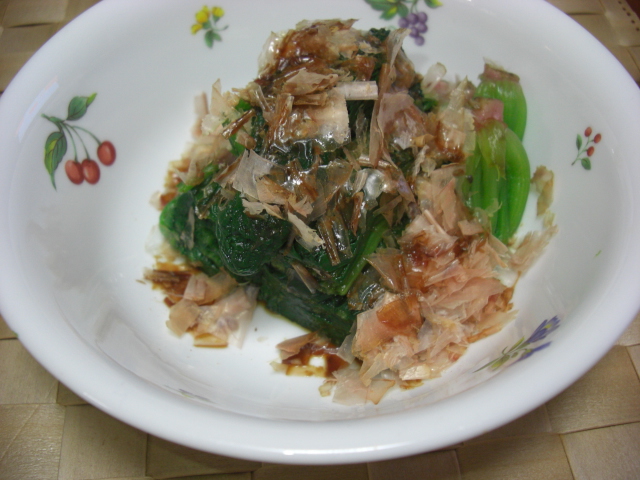
Simple Hourensou Salad (Spinach Salad)

Hourensou is the Japanese word for spinach. This recipe is very simple, but it is my favorite way to enjoy this healthy vegetable. Popeye is a very famous cartoon in Japan. When I was a kid, my mom used to tell me to eat more spinach to be strong like Popeye.
Yield: 2 servings
Time: 5 minutes
Ingredients
  • 1 bundle of spinach
  • 1 tbsp soy sauce
  • 1 pinch of katsuobushi
Preparation
  1. Add spinach leaves to boiling water, and cook for 2 minutes
  2. Remove, strain, and pat dry on paper towels. Cut into 2″ pieces
  3. Put cooked spinach on a plate and sprinkle with katsuobushi, then add soy sauce

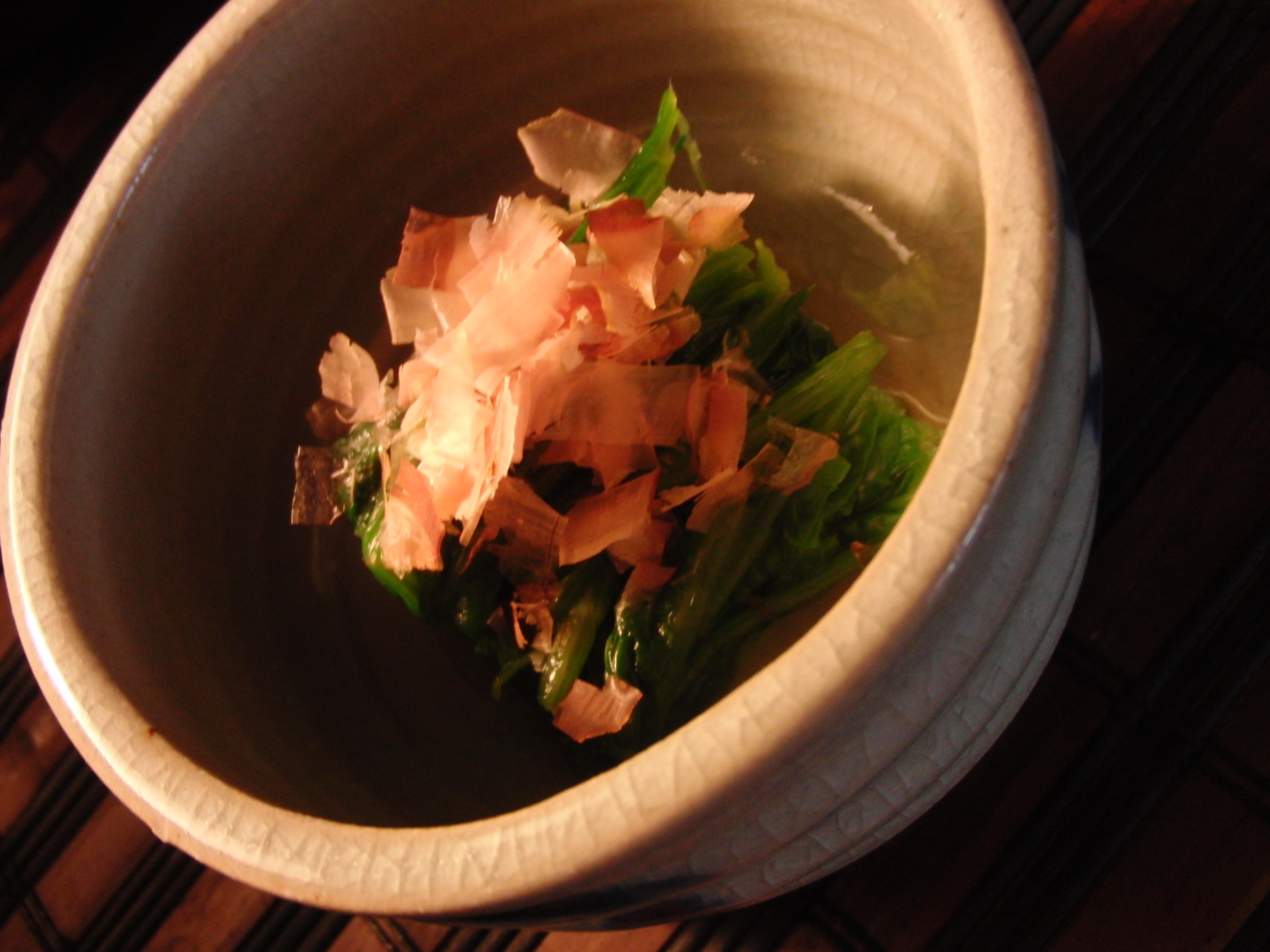
Hourensou no Ohitashi

“Hourensou” is the Japanese word for spinach. This is a quick, healthy side dish or appetizer. The dashi gives it a unique Japanese flavor. Enjoy!
Yield: 2 servings
Time: 15 minutes
Ingredients
  • 1 bunch of spinach (hourensou)
Spices
  • 3/4 cup Dashi soup or 3/4 cup hot water mixed with 1 tsp hon-dashi (soup stock powder)
  • 1 tbsp soy sauce
  • One pinch of katsuobushi
Preparation
  1. Boil spinach for 3 minutes (until slightly wilted)
  2. Submerge in cold water then wring out with a paper towel
  3. Chop spinach into 2″ pieces
  4. Mix dashi soup and soy sauce in a bowl
  5. Add spinach and refrigerate for 10 minutes
  6. Transfer the spinach to a serving dish, discard the liquid, and top with katsuobushi

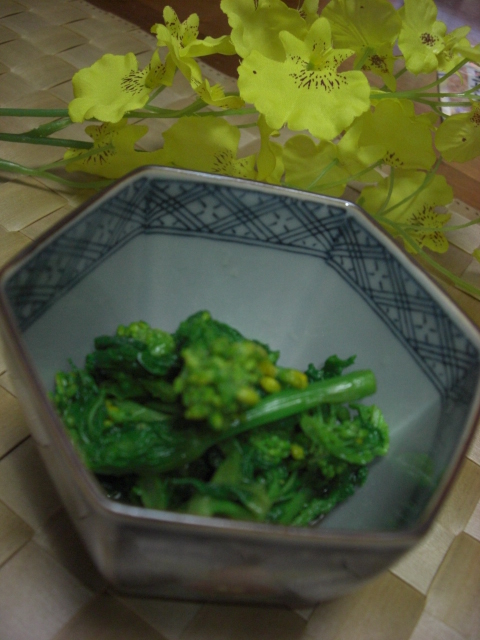
Nanohana no Ohitashi

Nanohana no Ohitashi

The nanohana plant is entirely edible, and the plant it is also the source of healthy Canola oil. Nanohana is a springtime flower, and in some areas of Japan you can find fields of the flower formed into mazes so visitors can wander through the blossoms and enjoy their beauty. Nanohana bloom just before sakura here in Japan, so they are kind of a prelude to spring, even though they are beautiful in their own right.

Yield: 2 servings
Time: 20 minutes
Ingredients
  • 4 oz nanohana (not blooming)
  • 1 cup dashi soup (or 1 cup water with 1 tsp hon-dashi)
  • 1 tbsp soy sauce
Preparation
  1. Boil nanohana for 2 minutes then submerge in cold water
  2. Strain and blot with a paper towel to remove any excess water
  3. Chop nanohana into 2″ pieces
  4. Mix dashi and soy sauce in a bowl and marinate nanohana for 15 minutes (this is called “ohitashi”)
  5. Remove nanohana and serve as a side dish or light snack!

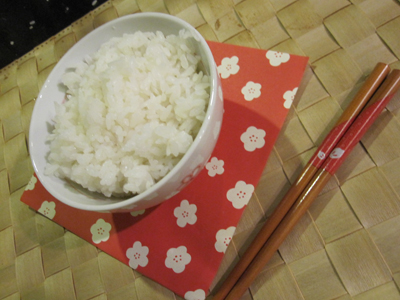
Steamed Rice (Regular and Sushi)

Gohan
For those of you who do not have a rice maker, this recipe will show you have how to make Japanese steamed rice in a saucepan.
Yield: 4 small bowls of rice
Time: 25 minutes
Ingredients (regular rice)
  • 2 cups japanese rice
  • 2 1/2cup water
Ingredients (sushi rice)
  • 2 cups japanese rice (very important for sushi rice!)
  • 2 1/4cup water
Preparation
  1. Wash rice thoroughly, until the water is clear
  2. Put rice in a saucepan pan, add water, cover with lid (do not remove the cover while it’s cooking, ever) and boil over high heat
  3. After the rice begins to boil (you can tell if the cover is jiggling) turn the heat to low and simmer for 10 minutes
  4. Without removing the cover, turn off the heat and let the rice steam for 10 minutes
  5. That’s it! If you’re making sushi rice, head on over to my sushi recipe and follow the directions to complete the rice.

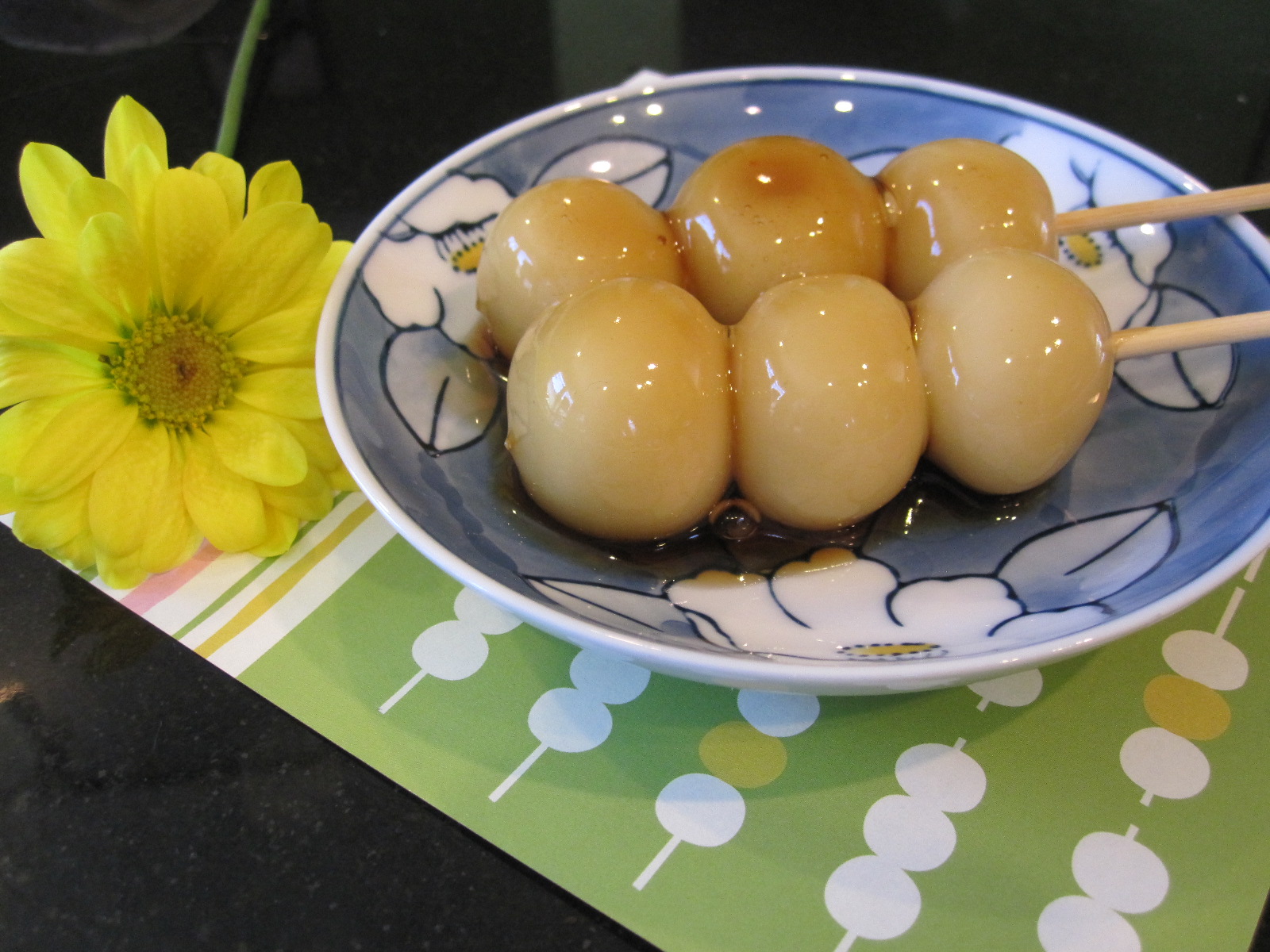
Mitarashi Dango

Mitarashi Dango
Mitarashi Dango is a Japanese sweet with mochi (rice cake) and thick, sweet sauce. It is originally from my hometown, Kyoto, but you can find it everywhere in Japan?even convenience stores. It is very good with hot tea.
Yield: 2 servings
Time: 20 minutes
Ingredients
  • 1/4 lb dango powder (glutinous rice flour)
Tools
  • Bamboo skewers
Spices
  • 1 tbsp soy sauce
  • 2 tbsp sugar
  • 1 tbsp mirin
  • 1 tsp katakuriko
Preparation
  1. Mix dango powder with 1/3 cup of warm water until it forms the shape of a ball
  2. Roll it out and cut it into 15 pieces (see pic)
  3. Make 15 small balls (dango)
  4. Boil dango in a sauce pan for 2 minutes then set them aside. Discard water.
  5. Put the sauce in the pan (soy sauce, sugar and mirin) and heat
  6. Mix katakuriko with 1 tbsp water and add to sauce thicken
  7. Skewer dango on a bamboo stick or put them on a dish and drizzle sauce on top

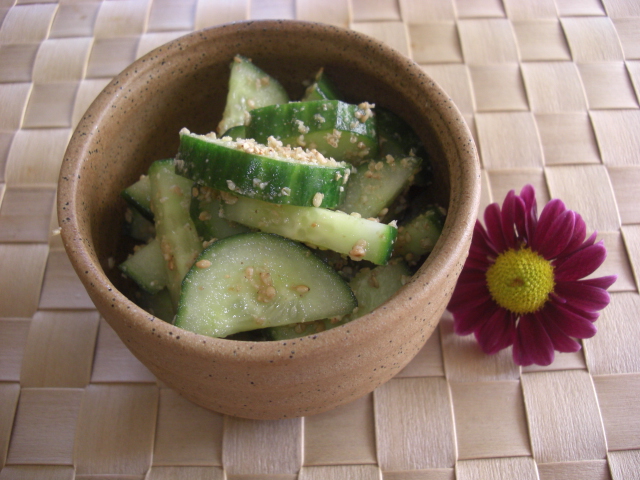
Cucumber Sesame Salad

Cucumber Sesame Salad
Kyuuri is the Japanese word for cucumber, and goma is sesame. Japanese cucumbers are much thin and shorter than American cucumbers, and the taste little different, but you can use either. If you do not like skin or seeds, please remove them before adding salt.
Yield: 4 servings
Time: 15 minutes
Ingredients
  • 3/4 lb cucumber (cut into 1/4″ slices)
  • 2 tbsp sesame seeds (ground)
Spices
Preparation
  1. Massage salt into cucumber slices and chill in refrigerator for 10 minutes.
  2. Remove from fridge and drain water from the bowl
  3. Add sesame oil, soy sauce and sesame seeds, mix and put it back the fridge for 3 minutes, or until you are ready to eat

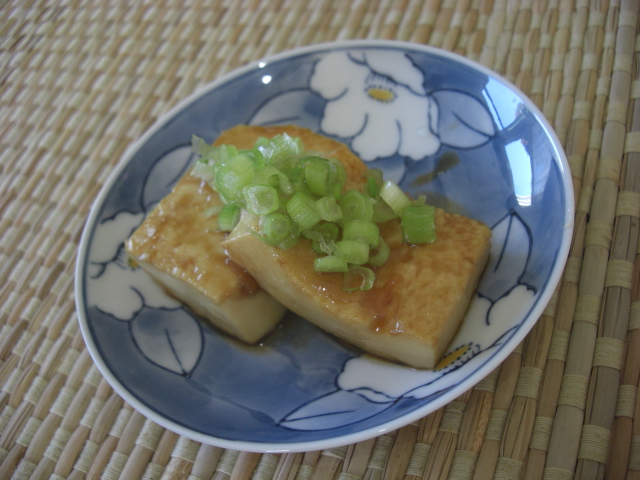
Tofu Steak

Tofu Steak
Tofu Steak is simple, healthy appetizer, or a perfect side dish for many of the other recipes on this site!
Yield: 2 servings
Time: 6 minutes
Ingredients
  • 200g tofu
  • Some chopped green onion for topping
Spices
Preparation
  1. Wrap tofu in a paper towel and microwave for 1 minute to remove water
  2. Slice tofu lengthwise into 4 pieces (thin rectangles) and sprinkle with flour
  3. Heat frying pan, add butter, then tofu, and heat for one minute. Flip over, cook for one more minute over medium heat
  4. Add soy sauce and mirin, then cook for one more minute
  5. Top with green onion and serve!

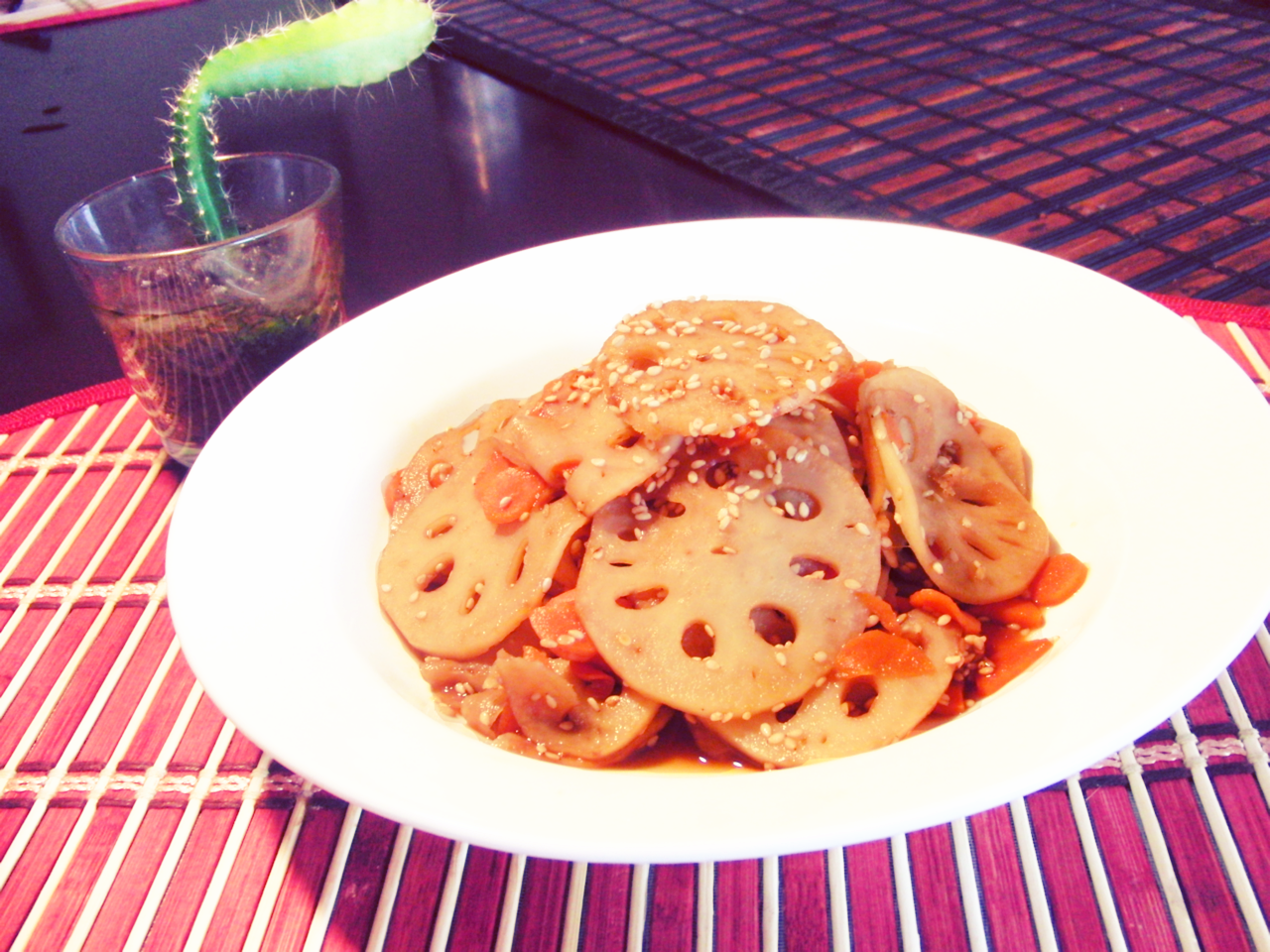
Renkon no Kinpira

Kinpira is a Japanese cooking style in which sliced vegetables are stir-fried and seasoned with sugar and soy sauce. Renkon (lotus root) has a snappy texture and a distinct appearance that will surely afford you many compliments!
Yield: 2 servings
Time: 15 minutes
Ingredients
  • 3/4 lb Renkon (about 6″, thin sliced into wheels)
  • 1 small carrot (sliced crosswise and halved)
Spices
  • 2 tbsp soy sauce
  • 2 tbsp sake
  • 1 tbsp mirin
  • 1 tbsp sugar
  • 1 tbsp sesame seed
  • 1 tsp sesame oil
  • 1 tsp vinegar
Preparation
  1. Mix 3 cups water and 1 tsp vinegar in a bowl, then marinate renkon for 3-4 min
  2. Mix spices (soy sauce, sake, mirin, sugar) in a small bowl
  3. Heat sesame oil in a frying pan and stir-fry renkon and carrots for 3 minutes
  4. Add mixed spices and stir for 2 min over low heat
  5. Sprinkle sesame on top and serve!

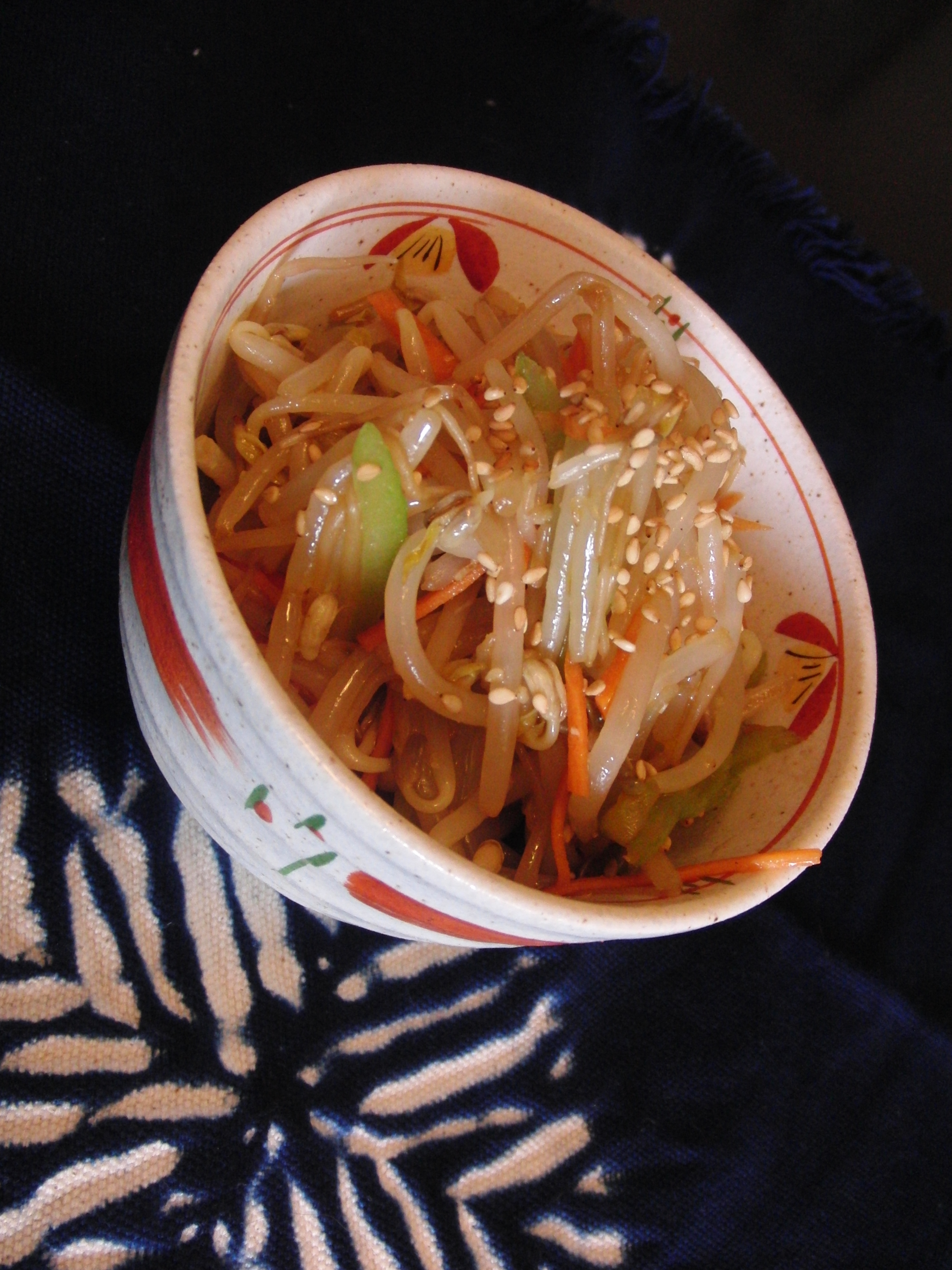
Moyashi (Bean Sprout) Salad

Bean sprouts are called moyashi in Japanese. It takes less than 10 min to prepare this recipe, so it is great when you need a quick side dish!
Yield: 2 servings
Time: 10 minutes
Ingredients
  • 1 1/4 lb Bean sprouts
  • 2 sticks of celery (chopped)
  • 1 cup sliced carrots (thin)
Spices
  • 2 tbsp Sesame
  • 2 1/2 tbsp soy sauce
  • 1 1/2 tbsp sugar
  • 2 tbsp binegar
  • dash salt
Preparation
  1. Blanch bean sprouts in boiling water for 1 minute, and strain
  2. Grind 1 tbsp sesame, then mix all spices in a small bowl (soy sauce, sugar, vinegar, ground sesame)
  3. Mix bean sprouts, carrot, celery, 1 tbsp sesame, and spices in a bowl
  4. Sprinkle salt to taste
Modifications
  1. You can serve moyashi salad warm or cold, but I recommend it as a cold, crispy salad!

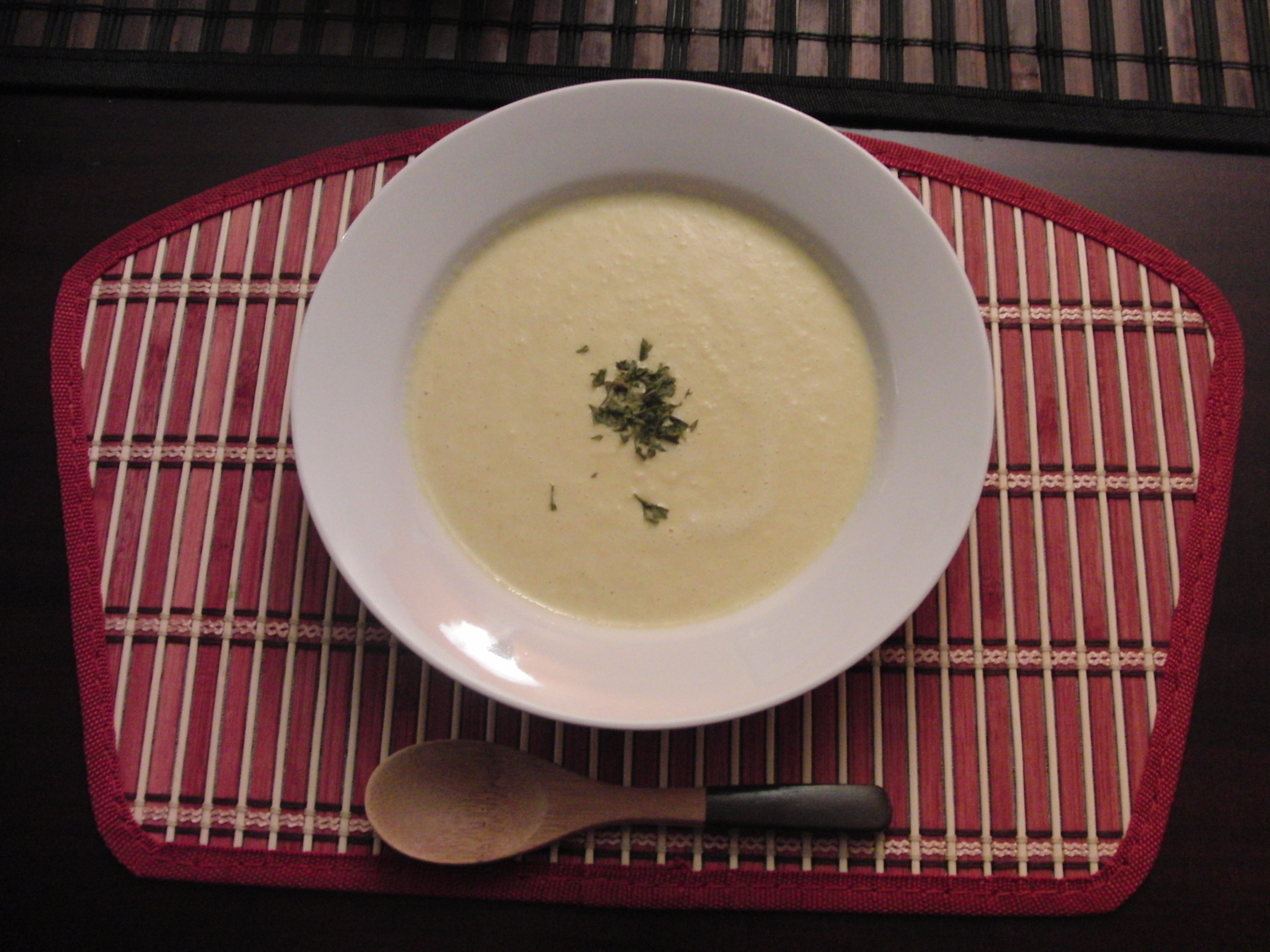
Corn Soup

The Japanese people love corn soup. Almost every family style restaurant serves corn soup and many varieties can be found in grocery stores. Corn soup dispensers can even be found in our internet cafes next to the coffee and soft drinks!
Yield: 4 servings
Time: 15 minutes
Ingredients
  • 1 can of corn (15.25 oz)
  • 1/2 yellow onion (sliced)
  • 1 1/2 cup milk
  • 1 tbsp butter
  • 1 sprig of parsley
  • 2 cubes of Maggi Vegetable Bouillon
Preparation
  1. Partially melt butter in a saucepan, then saute onion for 5 minutes (until soft)
  2. Add corn and stir for a minute or so
  3. Add milk and heat on medium-low until hot but not boiling
  4. Crumble vegetable bullion cubes into the soup and stir
  5. Remove from heat and transfer to blender
  6. Blend until smooth
  7. Return to saucepan, heat, then garnish with parsley and serve.

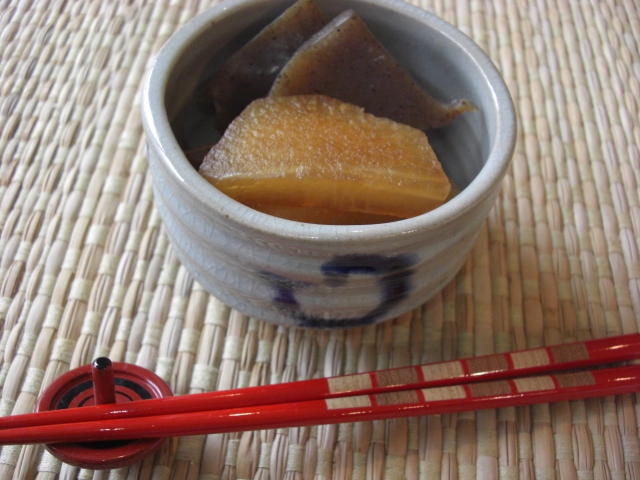
Daikon to Konnyaku no Nimono

Daikon to Konnyaku no Nimono
Konnyaku is made from yams. “Nimono” means boiled and seasoned in Japanese. A few readers have requested more vegetarian dishes, so here is simple and delicious offering. If you can not find konnyaku, try daikon by itself, or other vegetables (potato, carrot etc), or tofu.
Yield: 4 servings
Time: 30 minutes
Ingredients
  • 1 lb daikon (1/2 inch slices then cut them lengthwise)
  • 1 pack of konnyaku (1/2 lb) (cut in 1/2 inch triangles)
Spices
Preparation
  1. Boil konnyaku for 3 minutes, strain, and set aside.
  2. Put 1 1/2 cups water and daikon in a sauce pan and bring to a boil.
  3. When the water boils, add spices (soy sauce, sake, mirin, suger) and konnyaku, cover with lid, then boil for 25 minutes over medium heat.
    ※ Please keep the eye on the pan?if heat is too high, the water will evaporate quickly and the food will burn.

Corn Soup Pasta

Here’s a great way to use your leftover corn soup. Sometimes I’ll even make an extra batch just so I can make this recipe. It’s quick, fun, and delicious. It’s even quicker and still pretty tasty using instant corn soup, which is also very common in Japan.
Yield: 2 servings
Time: 15 minutes
Ingredients
  • 1 1/2 cup corn soup
  • 1/2 yellow onion (sliced)
  • 4 slices of ham (chopped)
  • 2 tbsp parmesan cheese
  • Salt and pepper
Preparation
  1. Boil pasta al dente
  2. Heat oil in a frying pan and saute onion for 3 minutes (or until soft)
  3. Add ham, stir for 2 minutes then add corn soup and heat until warm
  4. Add pasta to the soup and mix on low until warm
  5. Add parmesan cheese and salt and pepper to taste

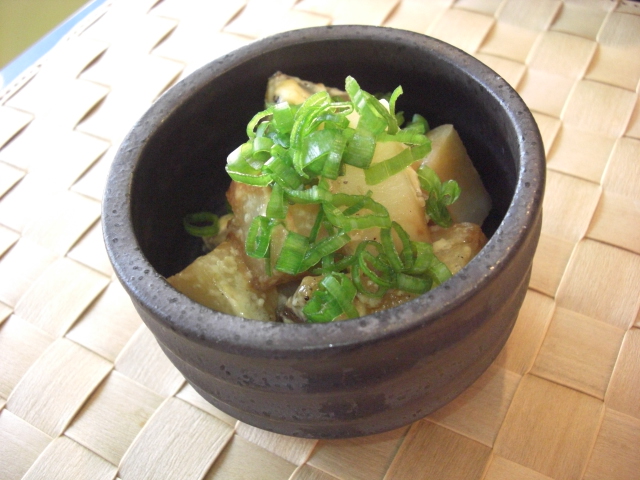
Jyaga Bata Yaki

Jyaga Bata Yaki
Jyaga Bata Yaki means baked potatoes with butter soy sauce. This is an easy side dish recipe that goes well with miso steak.
Yield: 2 servings
Time: 20 minutes
Ingredients
  • 1 big potato (1 lb, cut into 1 inch pieces)
  • 1/2 cup green onion (chopped)
Spices
  • 1 tbsp butter
  • 2 tsp soy sauce
  • 1 tbsp mayonnaise
  • dash of salt and pepper
Preparation
  1. Microwave potato for three minutes
  2. Put potato in a oven free dish, sprinkle salt and pepper, add soy sauce, mayonnaise and butter
  3. Put in oven at 400 degrees for 10 minutes
  4. Sprinkle green pepper on the potato and serve

Niratama

Niratama
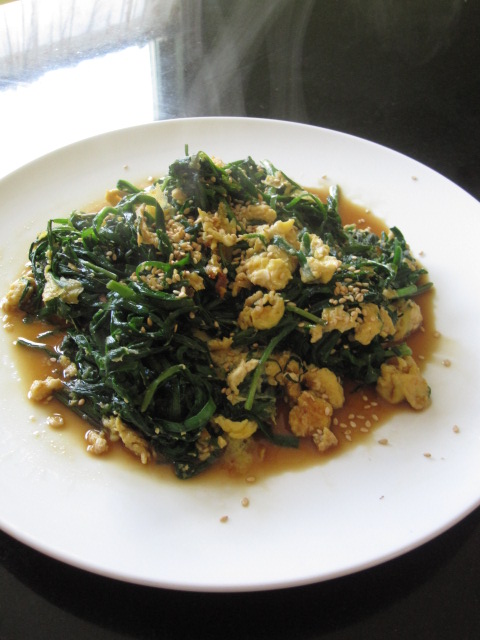
Nira is a green vegetable called “chives” in English and tama means egg in Japanese. I used fresh, organic nira that my teacher, Don, grew in his back yard. This vegetable has a unique smell and may be new to you. But the smell goes away after you cook it, is loaded with vitamins, and is good for eliminating fatigue. If you have a chance to go to an Asian supermarket, please look for this vegetable! It’s a great side dish!
Yield: 2 servings
Time: 10 minutes
Ingredients
  • 1/2lb nira (cut into 2″ pieces)
  • 2 eggs
Spices
Preparation
  1. Mix spices in a bowl (sake, soy sauce, oyster sauce, sugar, sesame oil)
  2. Pour the eggs in a small bowl and beat
  3. Heat oil in a frying pan and stir nira for four minutes (until it gets soft), then scoot the nira to the side of the frying pan
  4. Pour eggs on the other side of frying pan and stir
  5. Add mixed spices and mix
  6. Sprinkle sesame on the niratama
  7. Serve and enjoy!

Abekawa Mochi

Abekawa Mochi
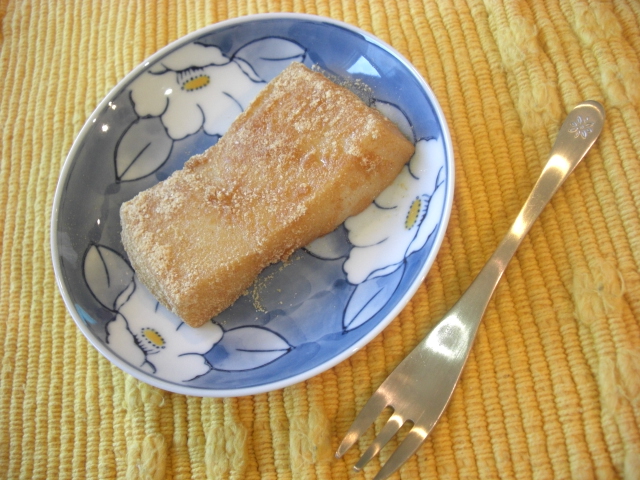
This is a very common way to eat mochi. It is also called kinako (soy powder) mochi. This may be an unusual taste for the Western palate, but I’m confident its muted sweetness and unique texture will win you over.
Yield: 5 mochi
Time: 5 minutes
Ingredients
  • 5 mochi
  • 2 tbsp kinako
  • 2 1/2 tbsp sugar
  • 1/4 tsp salt
Preparation
  1. Submerge mochi in a bowl of water and microwave for 2 1/2 minutes (or until mochi gets soft)
  2. Mix kinako, sugar, and salt in a bowl
  3. Dredge mochi in mixture, one by one, covering thoroughly
  4. Serve and enjoy!

Okara (Unohana)

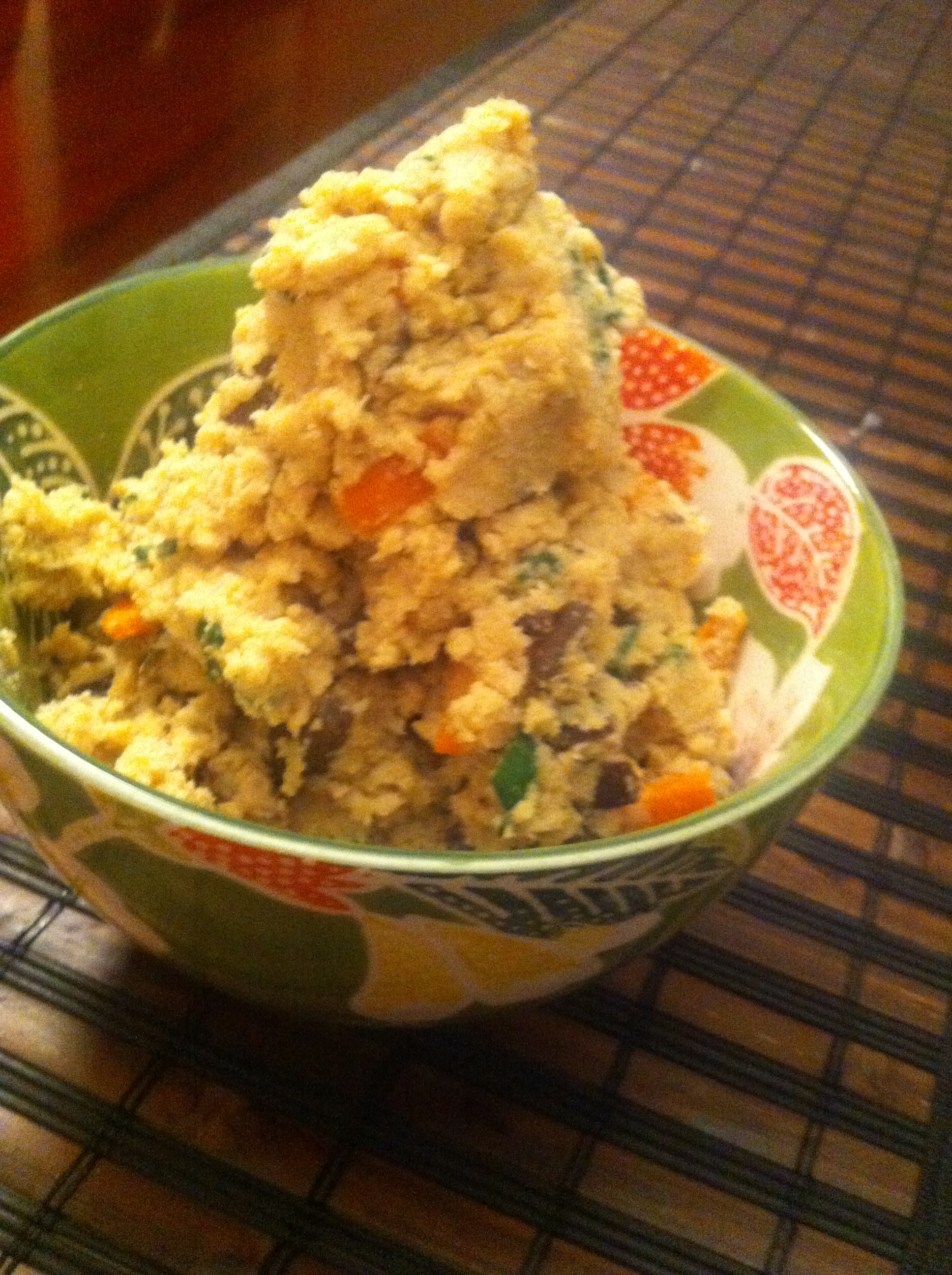
When pureed soybeans are filtered in the production of soy milk, the resulting pulp is called okara. This side dish is also called “unohana” but “okara” is more common. The okara is great for your health, especially for women. Okara has lots of fiber, lecithin, saponins, and isoflavones, many of which are great anti-aging nutrients, and they make your skin look fresh and clean.
Yield: 4 servings
Time: 20 minutes
Ingredients
  • 3/4 lb Okara
  • 2 dried shiitake mushrooms
  • 1/3 cup chopped carrots
  • 1/3 cup chopped konnyaku
  • 1/4 cup green onion
Spices
  • 2.5 tbsp sugar
  • 2 tbsp soy sauce
  • 1.5 cup shitake water (rehydrate dried shitake in a bowl of water and retain)
  • 2 tbsp sake
  • 1 tbsp mirin
  • dash salt
Preparation
  1. Mix shitake water, soy sauce, sake, mirin, and sugar in a small bowl
  2. Heat oil in a frying pan and stir-fry carrot, konnyaku and shitake mushroom for three minutes
  3. Add okara and stir for 5 minutes
  4. Add mixed spices and stir until water evaporates
  5. Add salt
  6. Add green onion, and serve
  7. (Okara is delicious served warm or cold)

Teriyaki Tofu Patties

Tofu Cakes
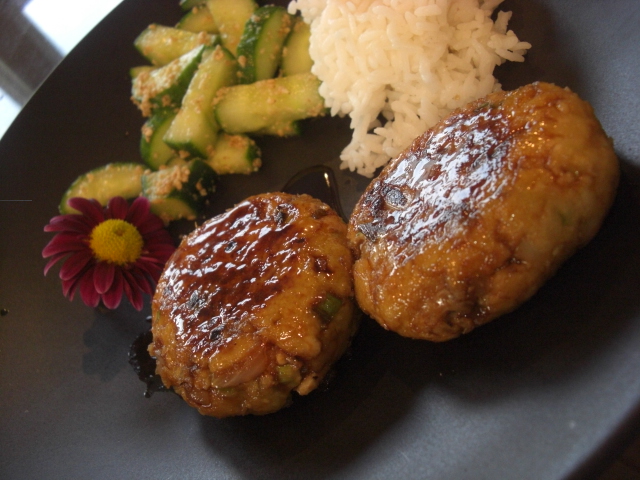
We call hamburgers without the bun “hambaagu” so in Japan this dish would be called “Tofu Hambaagu”, even though there is no meat inside. This is a light dish, very healthy, and tastes almost like potatoes. Great for a side dish or the main dish of a small meal. Enjoy!
Yield: 2 servings
Time: 15 minutes
Ingredients
  • 1/4 lb soft tofu
  • 1/4 medium onion (chopped)
  • 1/8 lb panko
  • 1 egg (beaten)
  • 1/3 cup green onion (chopped)
  • 1/4 tsp ginger (ground)
Spices
  • 1 tbsp soy sauce
  • 1 tbsp sugar
  • 1 tbsp mirin
  • 1 tbsp sake
  • Dash salt and pepper
Preparation
  1. Heat oil in a frying pan and sautee onion 3 min over medium heat
  2. Transfer onion to a dish and cool
  3. Wrap tofu in a paper towel and cook in microwave for 1 min to remove excess water
  4. Mix tofu, onion, panko, eggs, green onion, ginger, and salt and pepper to taste in a bowl
  5. Knead for 1 min
  6. Divide mixture into 4 parts and form into oval patties (see picture)
  7. Mix soy sauce, sugar, mirin, sake in a small bowl
  8. Heat oil in a frying pan, and cook tofu patties for 2 mins, covered, over med. heat
  9. Flip and cook another 2 minutes, still covered
  10. Flip one last time and cook 1 more minute, without the cover
  11. Turn heat to low, add mixed spices and sautee for 30 seconds, or until the sauce is absorbed by the patties
Modifications
  1. I used teriyaki (soy sauce, sugar, mirin, sake) sauce for this dish, but for a healthier option use ponzu

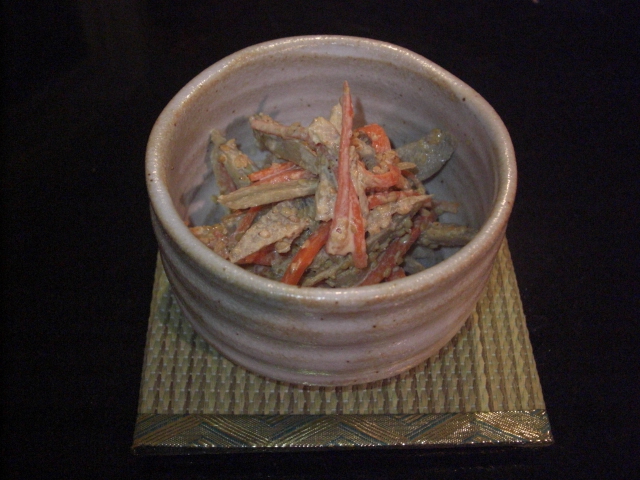
Gobo Salad

Gobo is known as burdock root in English. It is a fibrous vegetable seldom used in North America and Australia, but you can find it at most Asian groceries. This salad is popular way to eat gobo. Many izakaya restaurants serve this salad as an appetizer in Japan and you can also buy it at supermarkets or delis.
Yield: 2 people
Time: 15 minutes
Ingredients
  • 1/4 lb gobo
  • 1/2 carrot (1/5lb)
Spices
  • 3 tbsp Japanese mayonnaise, such as Kewpie
  • 2 tbsp ground white sesame
  • 1 tsp vinegar
  • 2 tsp soy sauce
  • 1 tsp sugar
Preparation
  1. Wash gobo with water and remove the skin with a carrot peeler or the edge of a knife. Repeat with carrot.
  2. Shred gobo and carrot into thin strips.
  3. Put the gobo in a sauce pan with enough water to cover the gobo. Bring to a boil.
  4. When it is boiling, keep it on for one minutes.
  5. Then add carrot and boil for another minute.
  6. Strain gobo and carrot then cool.
  7. Mix all spices in a small bowl (mayonnaise, sesame, vinegar, soy sauce and sugar.
  8. Mix gobo and carrot with mixed sauce, and serve.

Koyadofu no Tamagotoji

Koyadofu no Tamagotoji
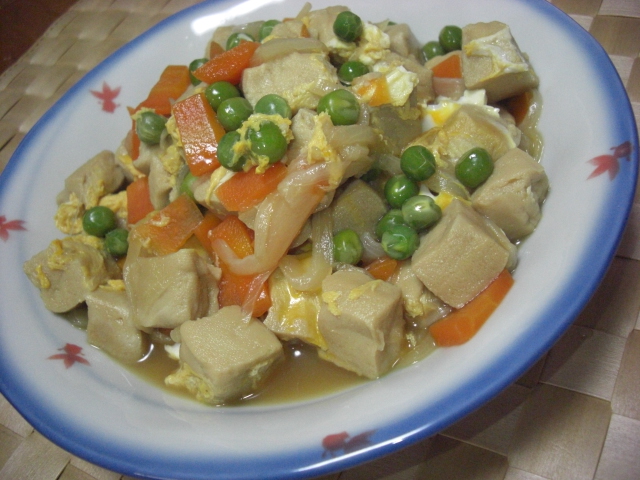
“Koyadofu” is the Japanese word for dried tofu. “Tamago” is egg. And “toji” refers to preparing a dish mixed with egg. Koyadofu no Tamagotoji. It’s a healthy, filling dish that is great if you’re on a diet. When I was a child, my obaachan (grandmother) made this for me whenever she came to visit. Reminds me of her so much!
Yield: 4 servings
Time: 25 minutes
Ingredients
  • 5 pieces of koya tofu (4 oz)
  • 1 egg (beaten)
  • 1/4 lb green peas
  • 1/2 onion (sliced)
  • 1/4 lb carrots (chopped small)
Spices
Preparation
  1. Put koyadofu a water for 5 minutes to soften, then squeeze to remove water and cut into bite-sized squares.
  2. Boil dashi in a saucepan, then add sake, soy sauce, mirin, sugar, onion, carrot and koyadofu. Cover and cook for 5 minutes on low
  3. Add peas, replace the cover, and continue cooking for 5 minutes
  4. Drizzle egg on the mixture, add a dash of salt, then turn off heat and steam, covered, for 3-4 minutes.
  5. Serve and enjoy!